
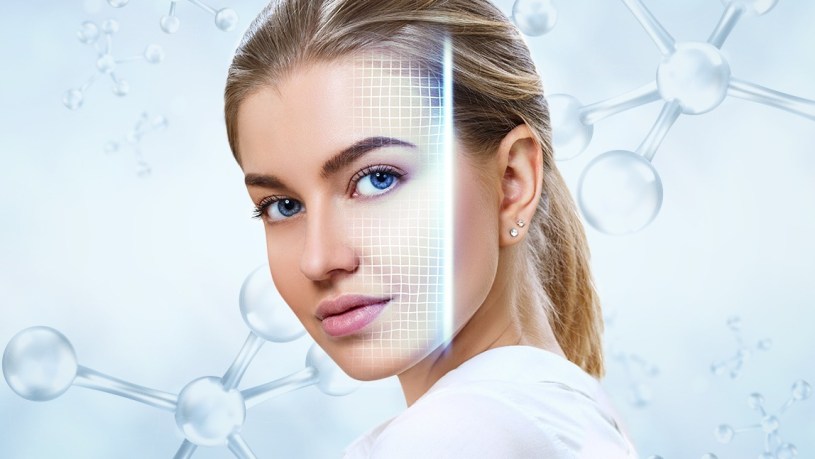
In the ever-evolving landscape of skincare, technology has emerged as a transformative force, reshaping how we approach and experience skincare routines. This article explores the dynamic role of technology in skincare, from AI-powered skincare analysis to the convenience of virtual consultations with dermatologists.
1. AI-Powered Skincare Analysis: Artificial Intelligence (AI) has become a game-changer in the skincare industry. AI-powered skincare analysis apps leverage advanced algorithms to assess skin conditions, analyze concerns, and recommend personalized skincare routines. These apps often use facial recognition technology to evaluate factors like hydration levels, pigmentation, and potential skin issues.
2. Customized Product Recommendations: AI extends its influence to offer customized product recommendations based on individual skin needs. By analyzing user data and considering factors like skin type, concerns, and environmental conditions, AI algorithms can suggest specific skincare products that align with a user’s unique profile. This tailored approach enhances the effectiveness of skincare regimens.
3. Virtual Dermatology Consultations: The advent of virtual dermatology consultations brings professional skincare advice to the convenience of your screen. Through video calls or specialized platforms, individuals can connect with dermatologists, discuss their skin concerns, and receive expert recommendations without the need for an in-person visit. Virtual consultations bridge the gap between accessibility and specialized skincare expertise.
4. Wearable Technology for Skincare Monitoring: Wearable technology, such as smartwatches and fitness trackers, has expanded its scope to include skincare monitoring. Some devices can track sun exposure, measure skin hydration levels, and provide real-time insights into environmental factors affecting the skin. This data empowers users to make informed decisions about sun protection and skincare practices.
5. 3D Printing for Customized Skincare: The intersection of technology and skincare extends to 3D printing, allowing for the creation of customized skincare products. Companies are exploring the use of 3D printing technology to formulate personalized skincare solutions tailored to an individual’s specific skin needs. This innovative approach ensures a bespoke skincare experience for users.
6. Augmented Reality (AR) for Virtual Try-Ons: Augmented Reality (AR) has revolutionized the way we explore and try on skincare products virtually. Some beauty brands utilize AR technology to offer virtual try-ons, allowing users to visualize how a product will look on their skin before making a purchase. This interactive experience enhances the online shopping journey and minimizes the risk of mismatched products.
7. Smart Mirrors for Skincare Assessment: Smart mirrors equipped with advanced imaging technology provide real-time assessments of skin conditions. These mirrors can analyze factors like wrinkles, pores, and overall skin texture. Users receive instant feedback and recommendations, making it a valuable tool for monitoring the effectiveness of skincare routines and adjusting them as needed.
8. Data Security and Privacy Considerations: While embracing technological advancements in skincare, it’s crucial to prioritize data security and privacy. Users should be mindful of the information shared on skincare apps and platforms, ensuring that their personal data is protected. Look for apps and devices that adhere to robust privacy standards and encryption practices.
As technology continues to intertwine with skincare, the future promises a more personalized, accessible, and efficient skincare experience. From AI-driven analyses to virtual dermatology consultations, these technological innovations empower individuals to take control of their skincare journey with precision and convenience. Embracing the tech-inspired glow is not just a trend; it’s a glimpse into the exciting future of skincare.
 Real Health News Blog