
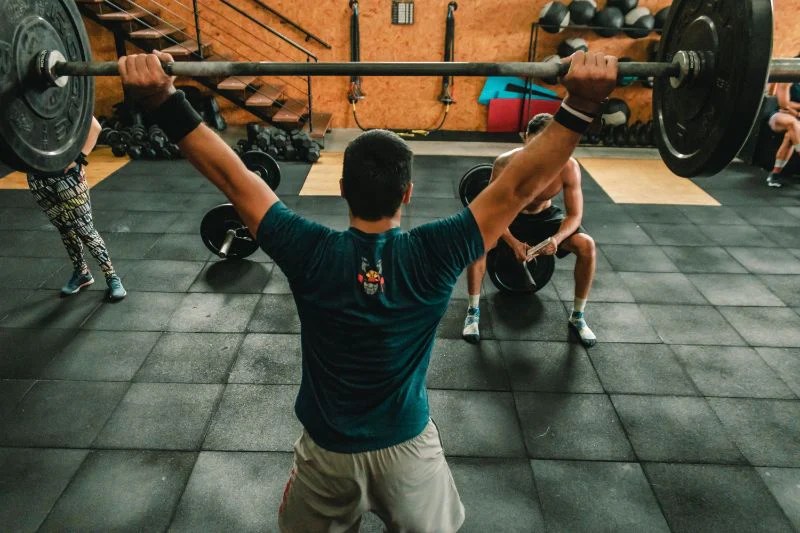
High intensity interval training is known for pushing the body close to its limits. It combines short bursts of explosive effort with brief recovery periods, stimulating fat loss, muscle retention, and cardiovascular fitness. However, many people underestimate the importance of what happens after the workout. Without proper recovery, the benefits of a hiit training workout can be reduced, and the risk of overtraining or injury increases. Recovery and regeneration are not optional extras — they are essential components of a balanced fitness journey.
Why Recovery Matters in HIIT
HIIT challenges both the anaerobic and aerobic systems. It creates micro-tears in muscles, taxes the nervous system, and temporarily elevates stress hormones. Recovery allows the body to repair tissues, replenish glycogen, and adapt to higher performance levels. Skipping or neglecting this phase can lead to:
-
Persistent fatigue
-
Reduced strength gains
-
Plateaued progress
-
Higher injury risk
By treating recovery as seriously as the workout itself, you ensure sustainable long-term results.
Understanding the Recovery Process
Recovery can be divided into several layers:
-
Immediate recovery: The first few minutes after exercise, where the heart rate and breathing slow down.
-
Short-term recovery: Hours after training, when glycogen is replenished and muscles begin repairing.
-
Long-term recovery: Days and weeks of consistent rest and adaptation, leading to lasting improvements in strength and endurance.
Each layer plays a vital role in how well your body responds to HIIT.
Sleep: The Foundation of Regeneration
Sleep is the most powerful recovery tool available. During deep sleep, growth hormone is released, stimulating tissue repair and fat metabolism. For HIIT practitioners, 7 to 9 hours of quality sleep per night is recommended. Poor sleep not only slows recovery but also reduces exercise performance and increases appetite-regulating hormones, making weight management harder.
Tips for better sleep:
-
Maintain a consistent bedtime routine
-
Limit caffeine intake after midday
-
Reduce screen exposure one hour before bed
-
Keep your room cool and quiet
Nutrition for Post-HIIT Recovery
Food fuels repair and replenishment. After HIIT, your body craves both protein and carbohydrates.
-
Protein: Supports muscle repair and growth. Options include chicken, fish, eggs, tofu, or protein shakes.
-
Carbohydrates: Restore glycogen stores used during intense intervals. Whole grains, fruits, and root vegetables are excellent choices.
-
Healthy fats: Aid in hormone regulation. Include sources like nuts, seeds, and avocado.
-
Hydration: Sweating during HIIT leads to fluid and electrolyte loss. Drinking water with added electrolytes is particularly important in Singapore’s humid climate.
Aim to eat within 60 minutes of finishing your session for optimal recovery.
Active Recovery vs Full Rest
Active recovery refers to light activity that promotes blood circulation without additional strain. Examples include brisk walking, swimming, or yoga. These help reduce soreness and maintain mobility. Full rest, on the other hand, allows complete downtime for the body and nervous system.
Both are important. After particularly intense HIIT sessions, a full rest day may be necessary, while on moderate days, active recovery can speed up healing.
Mobility and Flexibility Training
Incorporating stretching and mobility drills enhances recovery by maintaining joint health and preventing stiffness. Dynamic stretches before workouts and static stretches afterward create balance. Foam rolling, resistance band stretches, and yoga flows are excellent tools to keep muscles supple and improve circulation.
Cold and Heat Therapy
Recovery can also be supported with temperature-based therapies:
-
Cold therapy: Ice baths or cold showers help reduce inflammation and soreness.
-
Heat therapy: Warm baths, saunas, or heating pads relax tight muscles and improve blood flow.
Alternating between hot and cold exposure, known as contrast therapy, has also been shown to accelerate recovery.
Mental and Emotional Recovery
HIIT is not only physically demanding but also mentally taxing. Pushing yourself to near-maximum effort requires focus and resilience. Taking time for mindfulness, meditation, or even simple breathing exercises aids in lowering stress hormones and improving recovery quality.
Mental rest is as crucial as physical rest in ensuring long-term adherence to HIIT training.
The Dangers of Overtraining in HIIT
When recovery is ignored, overtraining can occur. Signs include:
-
Decreased performance despite consistent effort
-
Persistent muscle soreness
-
Sleep disturbances
-
Loss of motivation
-
Frequent illness due to weakened immunity
Overtraining is a clear signal that recovery strategies must be improved before further progress is possible.
Practical Recovery Schedule for HIIT
Here’s an example of how to structure a training week with recovery in mind:
-
Monday: HIIT session (30 minutes)
-
Tuesday: Active recovery (walking or yoga)
-
Wednesday: HIIT session (strength focused)
-
Thursday: Full rest or mobility work
-
Friday: HIIT session (cardio focused)
-
Saturday: Active recovery (light swim or cycle)
-
Sunday: Rest
This balance ensures your body gets enough stimulus for progress while still regenerating effectively.
Professional Support in Recovery
Guided training environments provide more than just workouts. Professional instructors often include recovery protocols in programming. Facilities such as True Fitness Singapore encourage members to balance intensity with proper cool-downs, stretching, and lifestyle advice. This structured support helps prevent injuries and keeps progress steady.
Frequently Asked Questions
Q. How long should I rest between HIIT sessions?
A. Beginners should rest at least 48 hours between sessions, while experienced individuals may manage with 24 to 36 hours if recovery practices are strong.
Q. Can I do strength training on non-HIIT days?
A. Yes, but keep intensity moderate. Focus on resistance training that complements HIIT, such as core stability or upper-body strength, while avoiding overloading fatigued muscles.
Q. Is stretching enough for recovery?
A. Stretching helps maintain flexibility but should be combined with sleep, nutrition, hydration, and active recovery for complete regeneration.
Q. Should I use supplements to speed recovery?
A. Whole foods should always come first. Supplements like whey protein, creatine, or electrolyte powders can support recovery if needed, but they are not replacements for good nutrition.
Q. How do I know if I am fully recovered?
A. Indicators include reduced soreness, normalised resting heart rate, restored energy levels, and the ability to perform movements with good form and intensity.
 Real Health News Blog