
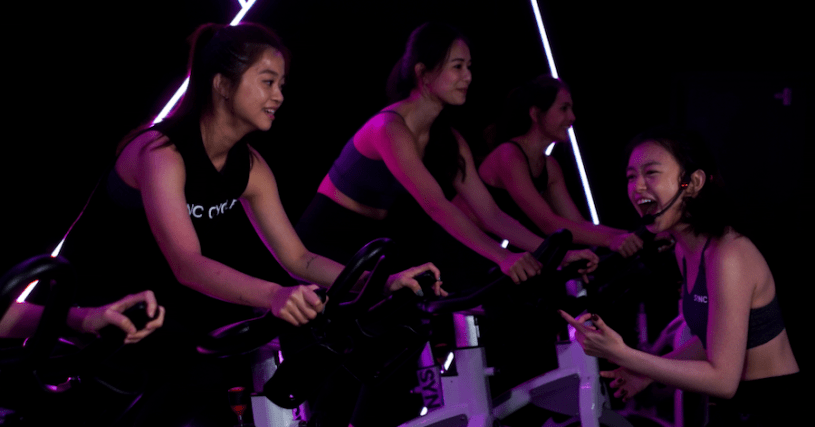
In recent years, sustainability has become more than just a buzzword in Singapore. It is now a lifestyle value that influences everything from food choices to transport decisions. Fitness is no exception. As people become increasingly aware of their environmental footprint, the demand for eco-conscious workouts is growing. indoor cycling singapore has quickly aligned with this shift, offering an exercise format that not only delivers health benefits but also complements Singapore’s green movement.
The Connection Between Fitness and Sustainability
Exercise is often associated with personal health, but it also has a wider impact on the environment. Traditional gyms consume energy through lighting, air-conditioning, and powered equipment. In contrast, indoor cycling offers a more sustainable model. The activity itself is powered by human energy, with minimal reliance on electricity during the workout. Some studios even adopt specialised bikes that convert pedalling power into renewable energy, feeding it back into the grid. For a city that prioritises sustainable development, this integration of fitness and eco-awareness resonates strongly with the urban population.
Why Indoor Cycling Appeals to Eco-Conscious Singaporeans
Singaporeans are highly aware of sustainability issues, from recycling habits to participation in green initiatives. Indoor cycling taps into this mindset by positioning itself as a cleaner alternative to many conventional workout routines.
-
Energy efficiency: Bikes do not require motors or heavy electricity use.
-
Reduced footprint: Classes take place in compact studios, maximising space efficiency in urban areas.
-
Community engagement: Sustainability becomes a shared value, encouraging group responsibility.
-
Green innovation: Some studios are experimenting with energy-harvesting bikes to further reduce reliance on external power sources.
These factors make indoor cycling a practical and symbolic choice for those who want their fitness routines to align with eco-friendly values.
The Role of Urban Lifestyle in Driving Green Fitness
Singapore’s dense urban setting means that space and resources must be managed carefully. Outdoor cycling is popular but is often limited by heavy traffic, safety concerns, and unpredictable weather. Indoor cycling offers a controlled environment where fitness can be achieved without requiring large land areas or outdoor infrastructure. This efficiency fits perfectly with Singapore’s approach to sustainable urban living. By concentrating workouts in smaller, energy-efficient studios, the overall environmental cost of fitness is reduced.
Energy-Generating Spin Bikes: A Step Towards the Future
One of the most exciting innovations in sustainable fitness is the energy-generating spin bike. These bikes convert mechanical energy from pedalling into electricity that can power studio lights, fans, or even be stored for later use. While not yet widespread, they represent a vision of the future where every workout contributes to the grid. Singapore, with its focus on technological innovation and sustainability, is well-positioned to embrace such advancements. The idea that a group of riders can collectively generate energy while improving their cardiovascular health is both practical and inspiring.
Reducing Carbon Footprint Through Indoor Workouts
Outdoor fitness often involves travel, whether by car or public transport, which contributes to carbon emissions. By offering indoor cycling studios in central business districts and residential areas, participants can reduce unnecessary commuting. The compact nature of spin classes also means more people can exercise at the same time, making better use of resources compared to large gyms with sprawling equipment layouts.
Eco-Friendly Practices in Indoor Cycling Studios
Studios in Singapore are increasingly adopting green practices beyond the bikes themselves. These include:
-
Installing LED lighting systems that consume less energy
-
Using eco-friendly cleaning products to maintain hygiene without harmful chemicals
-
Encouraging reusable water bottles and reducing plastic use
-
Incorporating sustainable materials in studio interiors, such as bamboo flooring or recycled rubber mats
These practices create a holistic eco-friendly environment that extends the sustainability value beyond the workout itself.
The Psychological Appeal of Green Fitness
Choosing sustainable fitness is not only about physical action but also about identity and values. For many Singaporeans, joining an indoor cycling class that highlights eco-consciousness creates a sense of purpose. It is about being part of a community that values health for both individuals and the planet. This emotional connection strengthens commitment, as participants feel they are contributing to something bigger than themselves.
How Indoor Cycling Encourages Mindful Living
Cycling in rhythm with music is already known to encourage mindfulness. Adding a sustainability focus enhances this by connecting riders with their role in environmental stewardship. The workout becomes more than burning calories. It becomes an act of mindful contribution to a healthier planet. This dual purpose makes it appealing to professionals and young adults in Singapore who want to combine fitness with conscious living.
Indoor Cycling as a Symbol of Singapore’s Green Goals
Singapore has consistently positioned itself as a leader in sustainable development, from water management to green architecture. Indoor cycling mirrors these national efforts on a personal scale. Just as the city strives to reduce its reliance on non-renewable energy, individuals are turning to workouts that reflect the same principles. Spin studios become microcosms of the nation’s green ambition, where technology, efficiency, and community come together.
How TFX Incorporates Sustainability in Fitness
TFX has embraced the importance of sustainability by ensuring its fitness environments are both efficient and innovative. With well-designed lighting systems, energy-conscious equipment, and studio spaces that maximise resource use, it sets an example for how fitness can align with eco-friendly practices. TFX also fosters community awareness, encouraging members to see each session not only as a workout but as a step toward greener living.
Practical Steps for Riders Who Want to Be Eco-Friendly
Individual riders can also make small but meaningful contributions to sustainability while enjoying indoor cycling.
-
Bring a reusable water bottle to every class instead of disposable plastic bottles
-
Use eco-friendly workout gear made from recycled or sustainable fabrics
-
Walk, cycle, or use public transport to travel to the studio instead of driving
-
Switch off unnecessary lights and electronics at home when heading to class
-
Encourage peers to adopt the same practices, amplifying the community effect
By taking responsibility for both personal and environmental health, riders reinforce the culture of sustainable fitness.
FAQs
Q. Are energy-generating bikes widely used in Singapore?
Not yet, but they are beginning to appear in select studios. The concept is expected to grow as sustainability becomes a stronger focus in fitness.
Q. How does indoor cycling compare with outdoor cycling in terms of sustainability?
Indoor cycling reduces dependency on road infrastructure and eliminates the emissions from commuting long distances for outdoor rides. However, outdoor cycling is still sustainable when done locally without motorised transport.
Q. Can sustainable practices in cycling studios really make a difference?
Yes. Small changes like LED lighting, reduced plastic, and eco-friendly materials add up, especially when adopted across multiple studios.
Q. Does eco-friendly indoor cycling cost more?
Not necessarily. While energy-generating bikes may involve higher investment, many sustainable practices such as reducing waste or conserving electricity actually save costs over time.
Q. How can I know if my studio follows eco-friendly practices?
Studios that prioritise sustainability often highlight it on their websites, in-class communication, or studio design. Asking instructors or managers directly is also a good way to learn about their initiatives.
 Real Health News Blog