
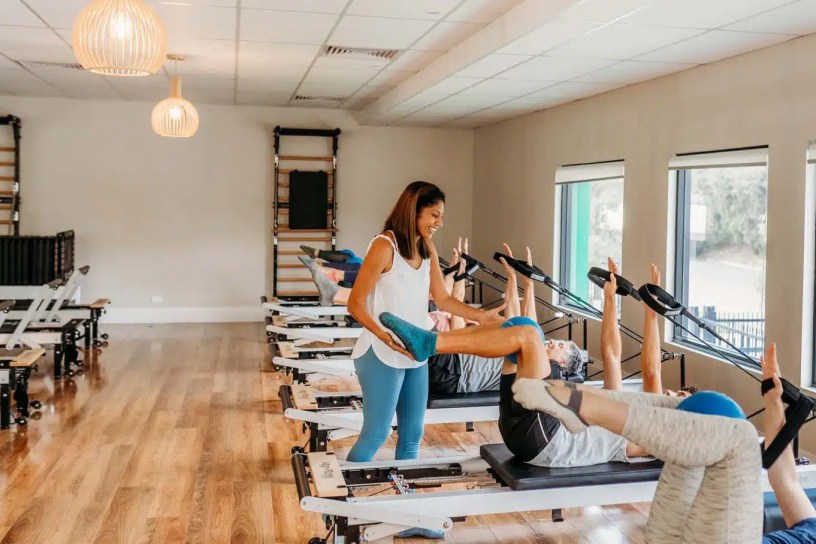
Modern life constantly pushes the body into a state of stress. Long working hours, poor posture, and chronic screen exposure keep the nervous system in overdrive, leading to anxiety, fatigue, and tension-related pain. Restoring calm and balance requires more than relaxation—it requires retraining how the body and brain communicate. The pilates reformer provides a unique and effective way to regulate the nervous system by stimulating the vagus nerve through controlled movement, conscious breathwork, and mindful alignment.
Understanding the Vagus Nerve and Its Role
The vagus nerve is the longest cranial nerve in the body, extending from the brainstem to the organs in the chest and abdomen. It plays a vital role in the parasympathetic nervous system—the system responsible for rest, digestion, and recovery. When the vagus nerve functions optimally, the body maintains equilibrium between stress and calm.
However, in many individuals, chronic stress suppresses vagal activity, trapping the body in a “fight or flight” state. This results in elevated heart rate, shallow breathing, digestive issues, poor sleep, and even heightened pain perception. Stimulating the vagus nerve helps the body shift back to a “rest and digest” mode, promoting relaxation and healing.
How the Reformer Stimulates the Vagus Nerve
The Reformer’s rhythm, resistance, and breath-driven structure naturally engage the vagus nerve. Unlike high-intensity workouts that activate the sympathetic (stress) system, Reformer Pilates cultivates a mindful pace that encourages parasympathetic dominance.
Key mechanisms include:
-
Controlled Breathwork: Each inhale and exhale coordinates with movement, deepening diaphragmatic breathing—a primary stimulator of the vagus nerve.
-
Gentle Spinal Articulation: Movements like Bridging or Cat Stretch create gentle mobilisations along the spine, where the vagus nerve branches through.
-
Rhythmic Flow: Repetitive, smooth motion mimics the body’s natural relaxation patterns, syncing breathing and heart rate variability.
Over time, these neuromuscular signals teach the brain that movement can be safe, calm, and restorative rather than stressful.
Breath: The Gateway to Nervous System Regulation
Breathing is the most direct and accessible way to influence the nervous system. The Reformer encourages three-dimensional breathing—into the ribs, back, and abdomen—which maximises vagal stimulation. Each inhale expands the diaphragm downward, massaging the vagus nerve where it passes through the thoracic cavity. Each exhale, when lengthened consciously, activates the parasympathetic response, reducing heart rate and cortisol levels.
Instructors often cue breath patterns like:
-
Inhale: Expand the ribcage laterally to open the lungs fully.
-
Exhale: Draw the navel gently toward the spine, extending the out-breath to calm the system.
Practising this on the Reformer trains the body to maintain steady, relaxed breathing even during challenging movements—a powerful skill for stress resilience.
Reformer Movement and Autonomic Balance
The body’s two main systems—sympathetic and parasympathetic—must remain balanced for optimal health. The Reformer helps restore this balance by combining stability, mobility, and mindfulness in every session.
For example:
-
Slow Eccentric Loading: Controlled lowering phases build strength while keeping heart rate low.
-
Supported Inversions: Poses like Short Spine Massage allow gentle pressure changes that improve blood flow to the brain, enhancing calmness.
-
Progressive Flow: Gradual transitions between movements mimic the body’s natural rhythms, preventing overexertion.
This approach builds strength without triggering the stress response, making it especially beneficial for those recovering from burnout or anxiety-related fatigue.
The Mind-Body Connection in Reformer Practice
Each Reformer session trains body awareness through precision and alignment. When attention is focused on breath, movement, and sensation, the mind disengages from overthinking and external stress. This mindfulness aspect is a key component of vagus nerve activation.
Neurologically, this process engages the insular cortex—an area of the brain involved in emotional regulation and interoception (the awareness of internal states). As clients become more attuned to how their body feels and responds, they develop a greater sense of control and self-regulation.
Real-Life Scenario: Regaining Calm After Stress Burnout
Imagine a corporate professional dealing with chronic fatigue and neck tension. In their first Reformer sessions, the focus might be on simple spinal mobilisation with deep exhalation. As the breath deepens, tension in the upper body releases, allowing the shoulders to drop and the chest to expand.
Over several weeks, this mindful repetition reprogrammes the nervous system. The client begins to associate movement with relaxation instead of strain. Sleep improves, digestion normalises, and overall energy levels rise—all signs of improved vagal tone.
Physical Pathways of Vagal Activation
The vagus nerve interacts with multiple body systems, so stimulating it through Reformer movement has wide-ranging effects:
-
Heart Rate Variability (HRV): Controlled breathing and rhythmic movement improve HRV, a marker of stress resilience.
-
Digestive Function: Gentle spinal motion enhances vagal signals to the gut, aiding digestion and reducing bloating.
-
Muscle Tension Release: As the parasympathetic system activates, muscles soften, and chronic tension decreases.
The Reformer’s supportive nature allows this activation without forcing effort, creating an ideal environment for nervous system recovery.
Integrating Somatic Awareness
Somatic awareness refers to understanding bodily sensations as a feedback mechanism. The Reformer encourages this through continuous sensory input—spring resistance, carriage glide, and tactile contact points. Clients learn to notice subtle shifts: how a deep breath changes hip alignment, or how exhaling releases neck tension.
This awareness bridges the gap between mind and body. Over time, it strengthens neural connections that support emotional stability and physical ease. The practice becomes not just a workout but a form of somatic therapy.
The Role of the Instructor in Nervous System Training
Instructors guide more than movement; they shape the client’s internal experience. Gentle voice tone, pacing, and cues all influence the nervous system. An experienced teacher may adjust spring resistance to encourage slower, smoother control, or pause between sets to let the client integrate sensations.
At Yoga Edition, instructors place equal emphasis on movement quality and mental stillness. Sessions often integrate breath-led sequencing, ensuring that each client leaves feeling both physically lengthened and mentally grounded.
Long-Term Benefits of Vagus Nerve Activation Through the Reformer
Consistent Reformer practice produces measurable physiological and psychological changes. With improved vagal tone, the body becomes better at switching between activity and rest. This adaptability translates to better recovery, enhanced emotional resilience, and sharper mental clarity.
Long-term benefits include:
-
Improved sleep and digestion
-
Reduced anxiety and irritability
-
Lower resting heart rate and blood pressure
-
Enhanced immune function
-
Decreased chronic pain and inflammation
Clients often describe a sense of “reset” after sessions—a feeling of being both energised and calm.
Reformer Pilates as a Nervous System Reset Routine
A well-designed Reformer session for nervous system regulation typically follows a calming progression:
-
Breath Priming: Start with seated breathing and gentle spinal articulation.
-
Grounding Work: Use supported footwork to engage deep stabilisers without overexertion.
-
Flow Phase: Add rhythmic, full-body exercises that encourage coordination.
-
Integration: Conclude with stretches or gentle inversions to promote circulation and calmness.
This structure aligns with the body’s natural regulation rhythm, ensuring both physiological and psychological balance.
Frequently Asked Questions
Q1. How does Reformer Pilates differ from meditation for stress relief?
Meditation trains mental stillness, while the Reformer combines movement, breath, and proprioception to regulate the nervous system physically and neurologically. The combination deepens the effect.
Q2. Can Reformer Pilates help with anxiety or panic disorders?
Yes. Controlled breathing, rhythm, and sensory grounding reduce overactivation of the sympathetic system, easing anxiety and promoting calm.
Q3. Is vagus nerve stimulation safe for everyone?
Yes, when guided by a qualified instructor. Movements are gentle, and the body remains supported throughout, making it suitable for people with varying fitness levels.
Q4. How long does it take to notice changes in stress response?
Many clients report improved relaxation and sleep within a few sessions. Long-term changes in mood and resilience occur with consistent practice over several weeks.
Q5. Can this method complement other therapies?
Absolutely. Reformer Pilates enhances the effects of physiotherapy, counselling, or mindfulness practices by regulating both body and mind simultaneously.
By intentionally engaging the breath, movement, and sensory awareness, the pilates reformer becomes far more than an exercise tool—it becomes a bridge to nervous system balance. In a world of constant stress, it offers what the body craves most: a way to reset, recover, and reconnect to calm from within.
 Real Health News Blog